LinkedIn Reach Is Dropping for Diverse Voices. Here’s Why It Matters
 Natalie Berthe
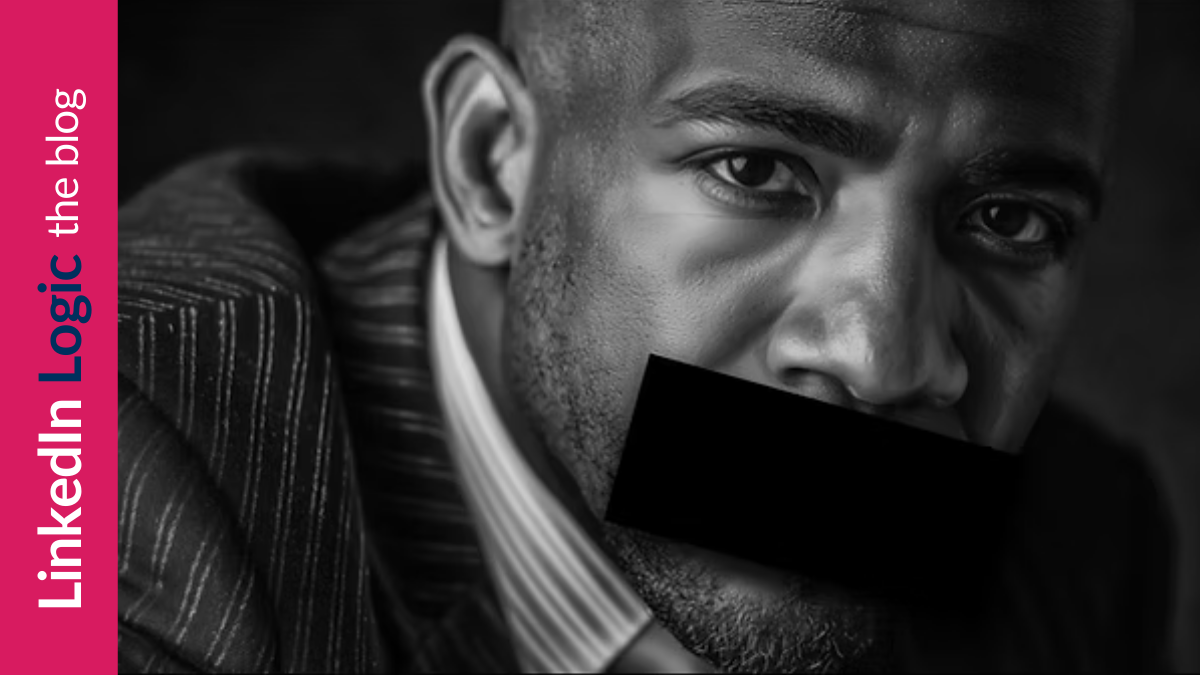
Diverse voices on LinkedIn are losing reach. Learn why it happens and how you can fight back.
This post was originally shared on LinkedIn on August 12, 2025 deliberately without attribution to its original author, Jane Evans. It was shared by dozens of creators on LinkedIn as part of an experiment. Those results will be shared here, once they are available.
The post is being shared verbatim and not being optimized for this blog.
Are global majority men being silenced on LinkedIn?
I am a white woman who works in the startup ecosystem, and my reach on LinkedIn has dropped in the last couple of months. But what’s happening for everyone else?
Women (and men in DEI) are complaining about a significant loss of reach. Ironically, most of them are screaming into the abyss, while selfies linked to tenuous business wisdom litter everyone’s feeds.
For business owners, especially those running small or minority-led companies, this loss of visibility can be catastrophic. In an environment where so much of business development and networking is done through LinkedIn, losing reach means missing out on opportunities to engage in critical discussions, build relationships, and advance their work. It’s not just about visibility — it’s about the real-world impact on careers and businesses.
The algorithm is often accused of shadow banning posts that discuss key issues like anti-racism, gender equality, and inclusivity, which makes it much harder for diverse voices to be heard. And this isn’t just about gender bias or racism; it’s about the intersectionality of voices – those who are advocating for true equity and fairness in every area, from racial identity to gender identity, disability awareness, age discrimination, and even the nuanced understandings of sexuality.
Cindy Gallop, sex goddess and founder of Make Love Not Porn, has 136,000 followers. Her recent posts barely reach 0.6% of them.
DEI professionals, business owners, and activists are finding their content mysteriously disappearing or being deprioritized, while posts that reinforce stereotypes or perpetuate privilege appear to gain more attention.
This undermines the efforts of those working to challenge systemic prejudice and promote equity.
What’s happening is more than a glitch; it’s a deep, underlying bias within the system. When LinkedIn’s algorithm silences discussions on feminism, racial identity, or the need for equitable workplaces, it inadvertently supports an environment that favors confirmation bias.
Can we fix this? Yes, we can!
Love a diverse voice? Go to their profile, hit their bell, choose to receive all of their content, then share it often. Because we teach the machines, and it’s all just ones and zeros to them.
Original post can be found here.
Categories: : DEI, LinkedIn 2025, Personal Brand Strategy, Thought Leadership